Behind the Motion: Bringing Cricket Champions to Life
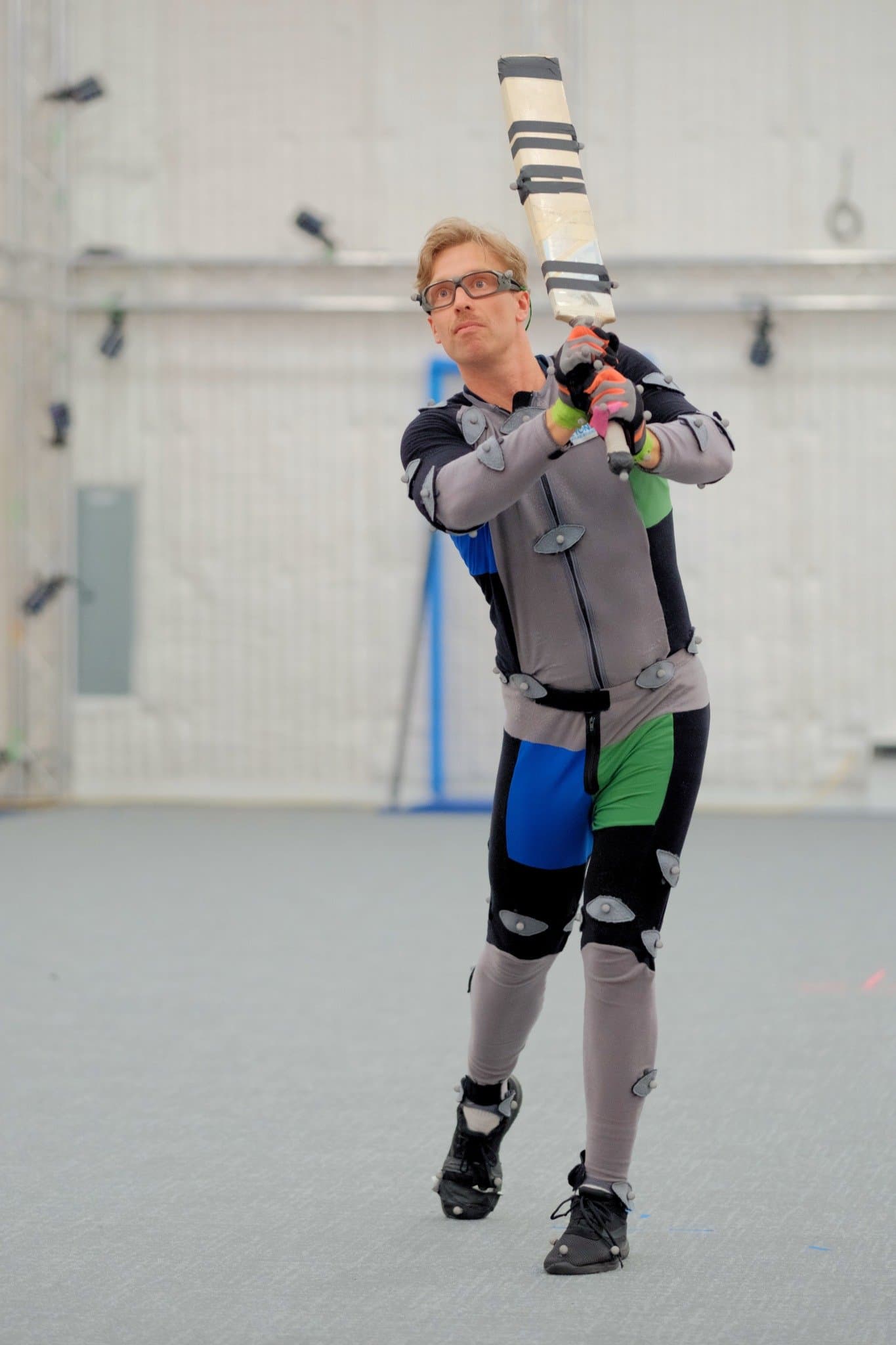
There are parts of game development that begin with code, and others that begin with movement.
On July 28, the Cricket Champions team joined Beyond Capture Studios for a dedicated motion-capture session, working with Sam Noster and his team to record cricket performances that will contribute to the animation foundation of the game.
It was an important development milestone for us — and an opportunity to take movements from the real world and begin the process of bringing them into Cricket Champions.
Why Motion Capture Matters to Cricket Champions
Cricket is a game of incredibly specific movements.
A batter shifting their weight before a shot. The position of the shoulders through a swing. The follow-through after contact. A fielder adjusting their body underneath a ball. The small movements that happen before and after the main action.
Individually, these details can seem minor. Together, they are what make a cricket player move like a cricket player.
For Cricket Champions, building a strong animation foundation means capturing that physicality rather than trying to approximate every movement from scratch.
Motion capture allows us to record a real performance and preserve the timing, body mechanics and natural imperfections within it. That performance can then become animation data that our development team can process, refine and eventually integrate into the game.
Inside the Capture Volume
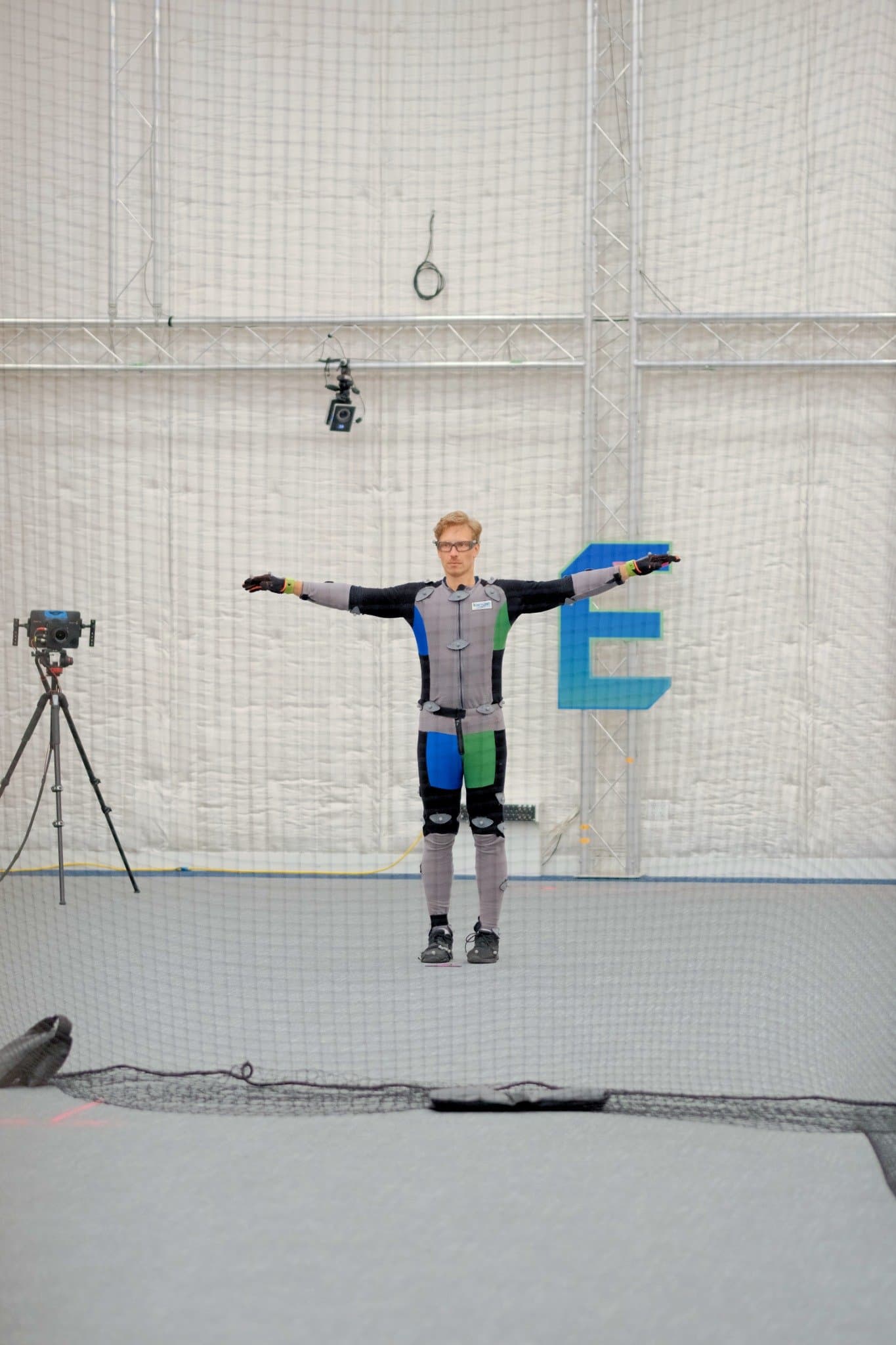
The session took place at Beyond Capture Studios, where performers wore specialized motion-capture suits covered with tracking markers.
Around them, the capture system recorded the position and movement of those markers as they performed.
Before recording the cricket actions themselves, the performers and equipment had to be prepared and calibrated so that their movements could be accurately tracked within the capture volume.
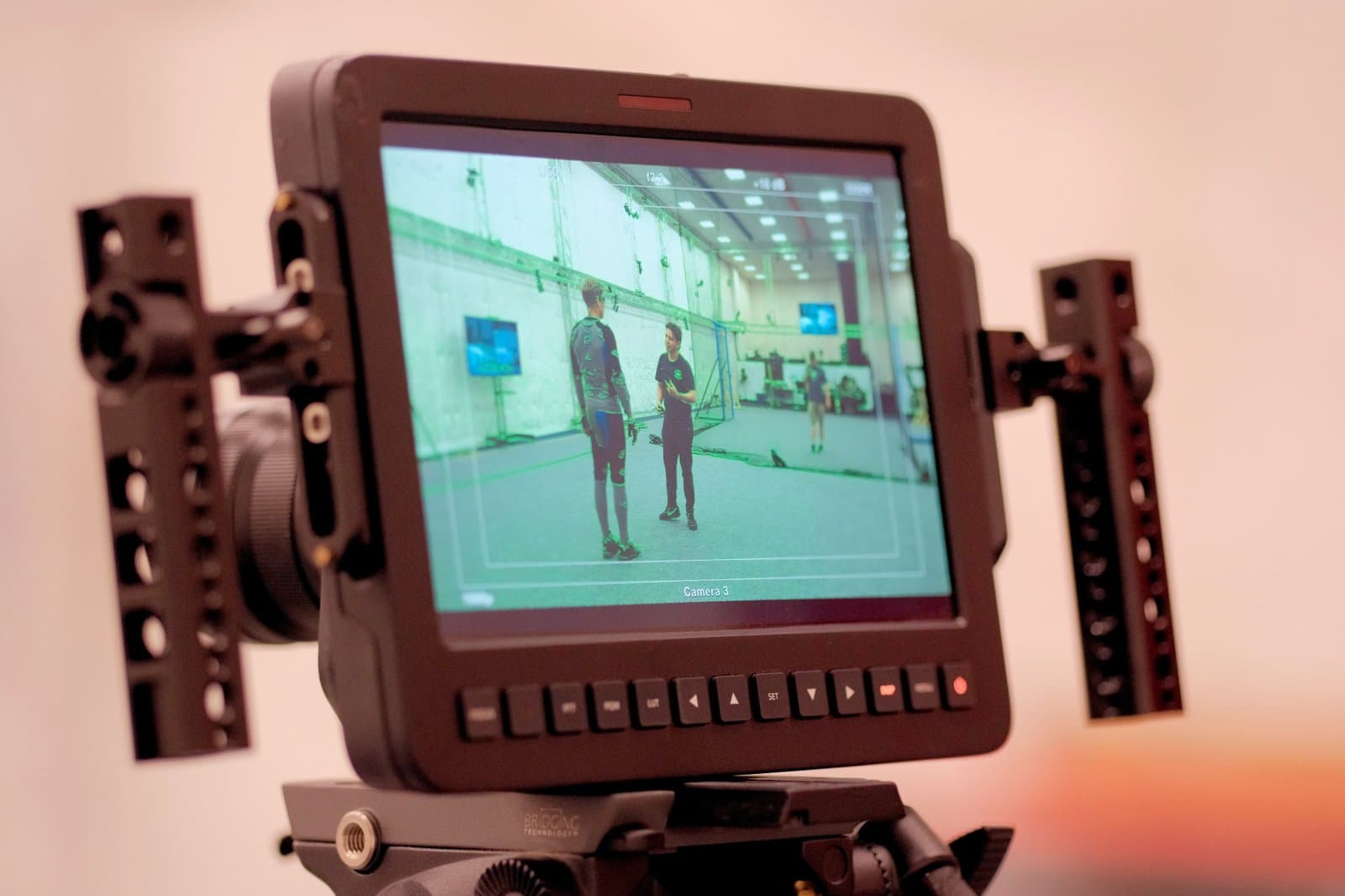
Then came the cricket.
Throughout the day, Sam Noster and his team worked through a range of cricket movements and actions while the performances were captured and reviewed.
Some movements required multiple takes. Others needed adjustments to positioning, timing or the way an action was performed so that the resulting data would be useful once it reached the development team.
It is a process of performance and technology working side by side.
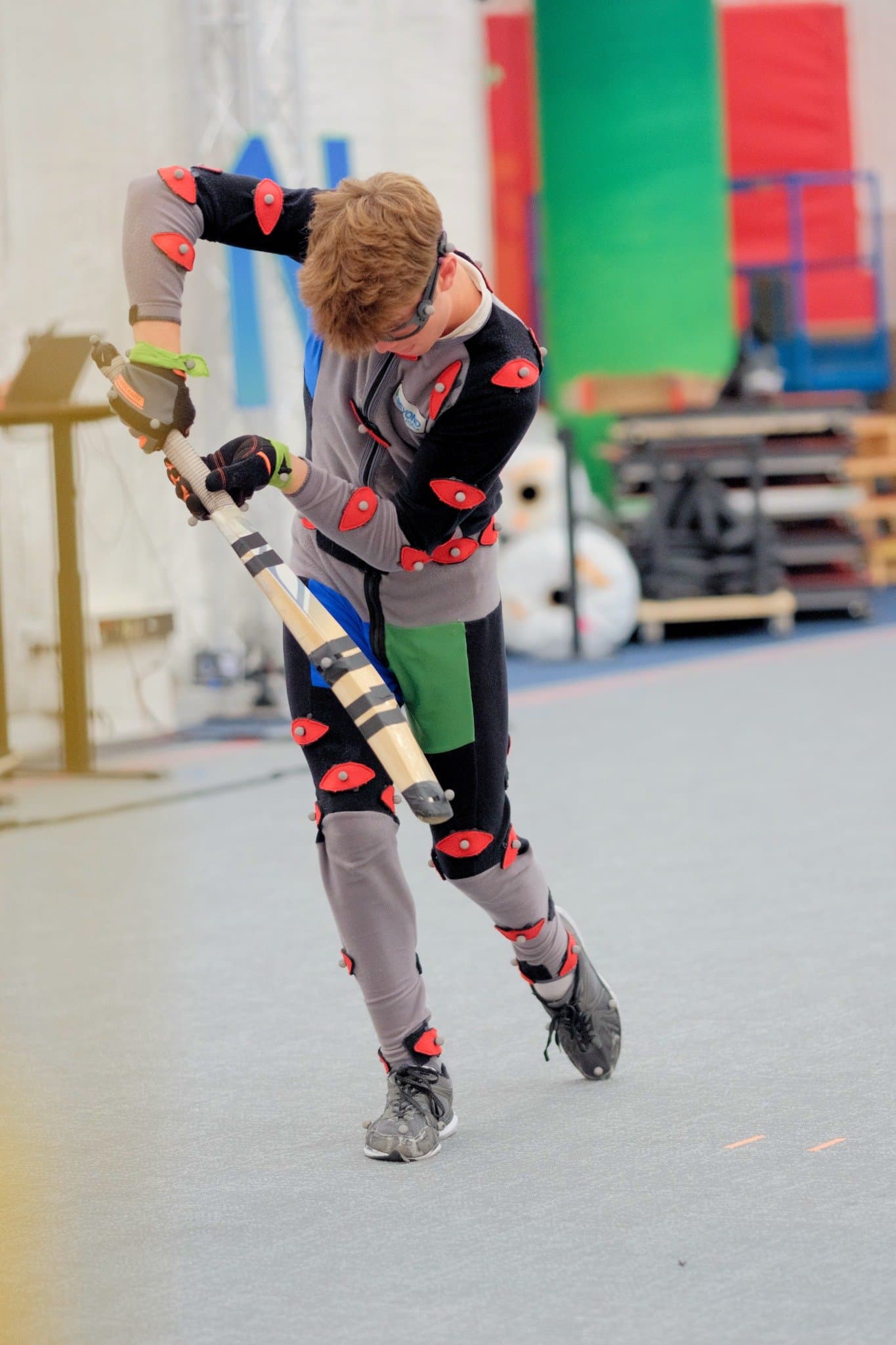
And importantly, the goal wasn't simply to capture something that looked good in the studio.
We were capturing movement that ultimately needs to work inside a game.
That distinction matters.
From Real Performance to Game Animation
One of the interesting things about motion capture is that what happens inside the studio is only the beginning.
Real Performance → Motion Capture → Animation Data → Processing & Refinement → Game Development → Cricket Champions
The performer gives us the starting point.
The capture system translates that performance into motion data. From there, the data can be processed, cleaned, retargeted and refined before our development team begins integrating and testing it within the game.
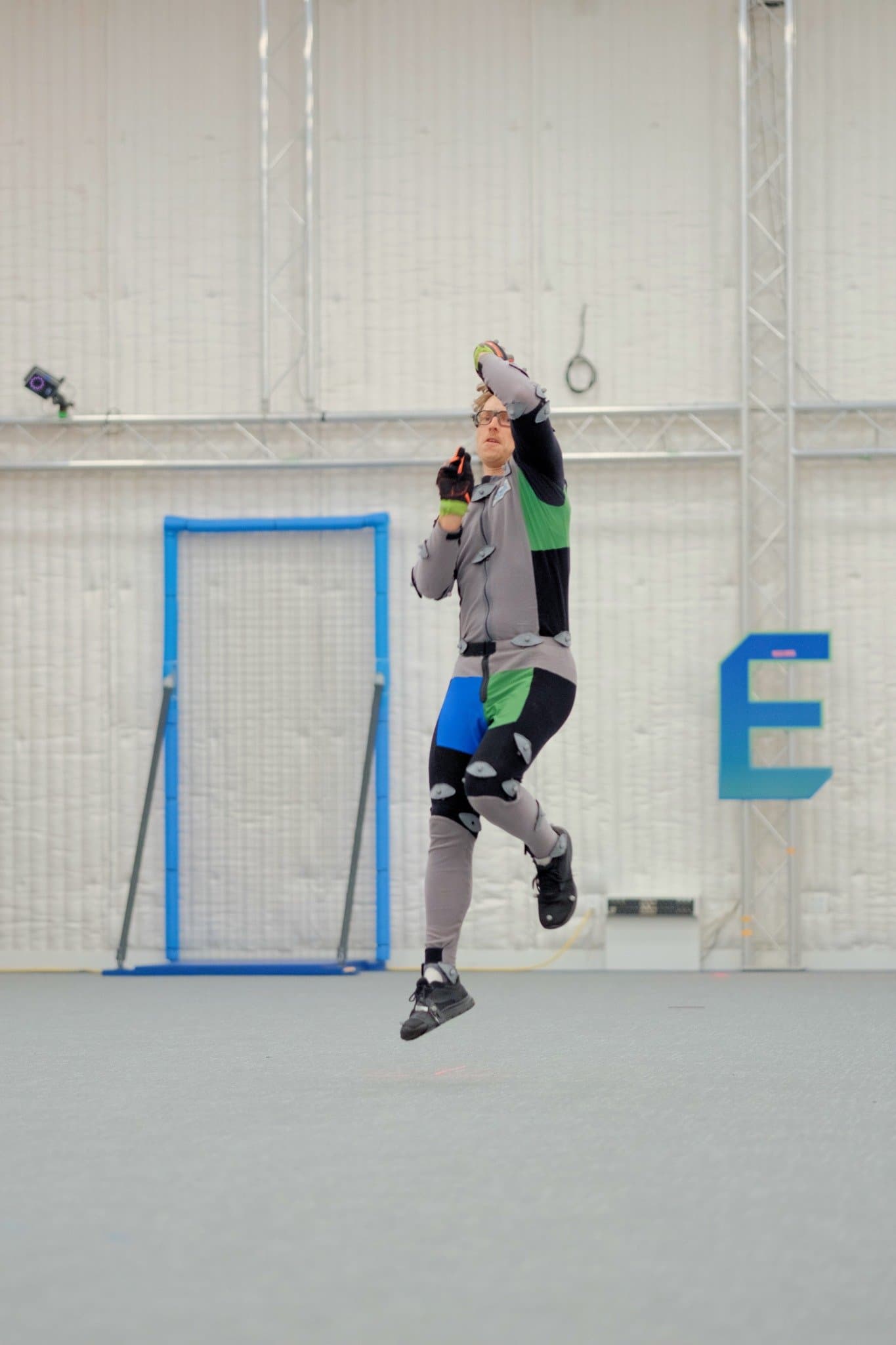
That means the photographs from this session aren't showing finished Cricket Champions animations.
They're showing one part of the process used to build them.
As development continues, these performances will move through several stages before they become something players ultimately experience on screen.
Building the Foundation
Animation is also only one part of how movement will work in Cricket Champions.
Our broader goal is to bring animation, player input and gameplay systems together so that cricket feels responsive and believable rather than simply looking convincing in isolation.
The motion captured during this session gives us a stronger foundation to build from.
From batting and fielding movements to the smaller transitions and reactions surrounding them, every captured performance gives the development team more material to work with as the game's animation and gameplay systems continue to evolve.
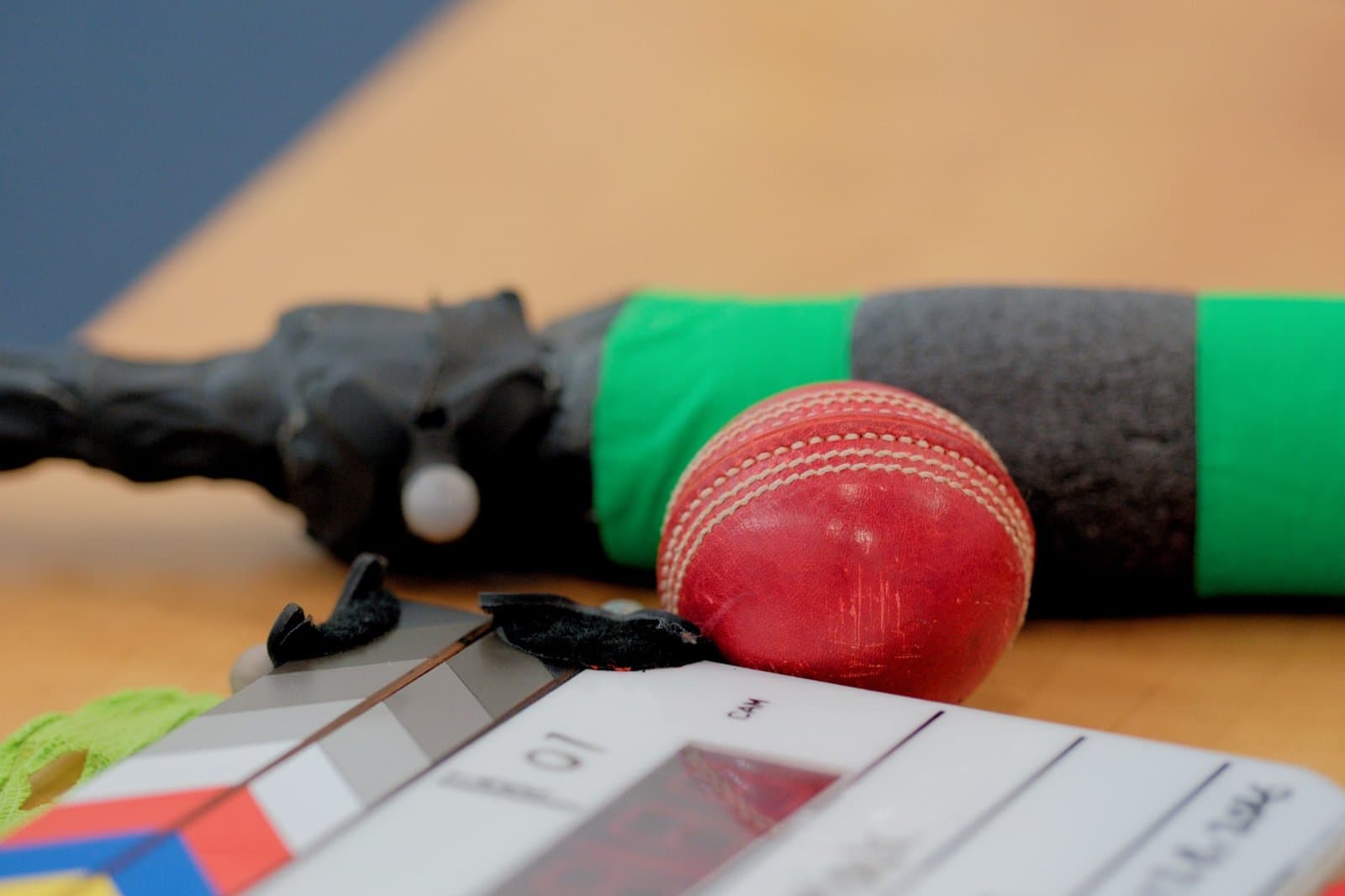
For an independent team building a cricket game from the ground up, days like this are particularly meaningful.
You spend months looking at systems, animations, prototypes and development builds on screens.
Then, for a day, part of that work becomes physical.
There is a performer standing inside a capture volume with a cricket bat. Cameras are tracking the movement. Takes are being reviewed. Data is being recorded.
And somewhere between all of those things is another piece of the game taking shape.
What Happens Next?
With the capture session complete, the work now moves back into development.
The captured performances will continue through processing, refinement, implementation and testing as we determine how they work within Cricket Champions and the gameplay systems we're building.
There is still plenty of work ahead, and we'll continue sharing that process as the game develops.
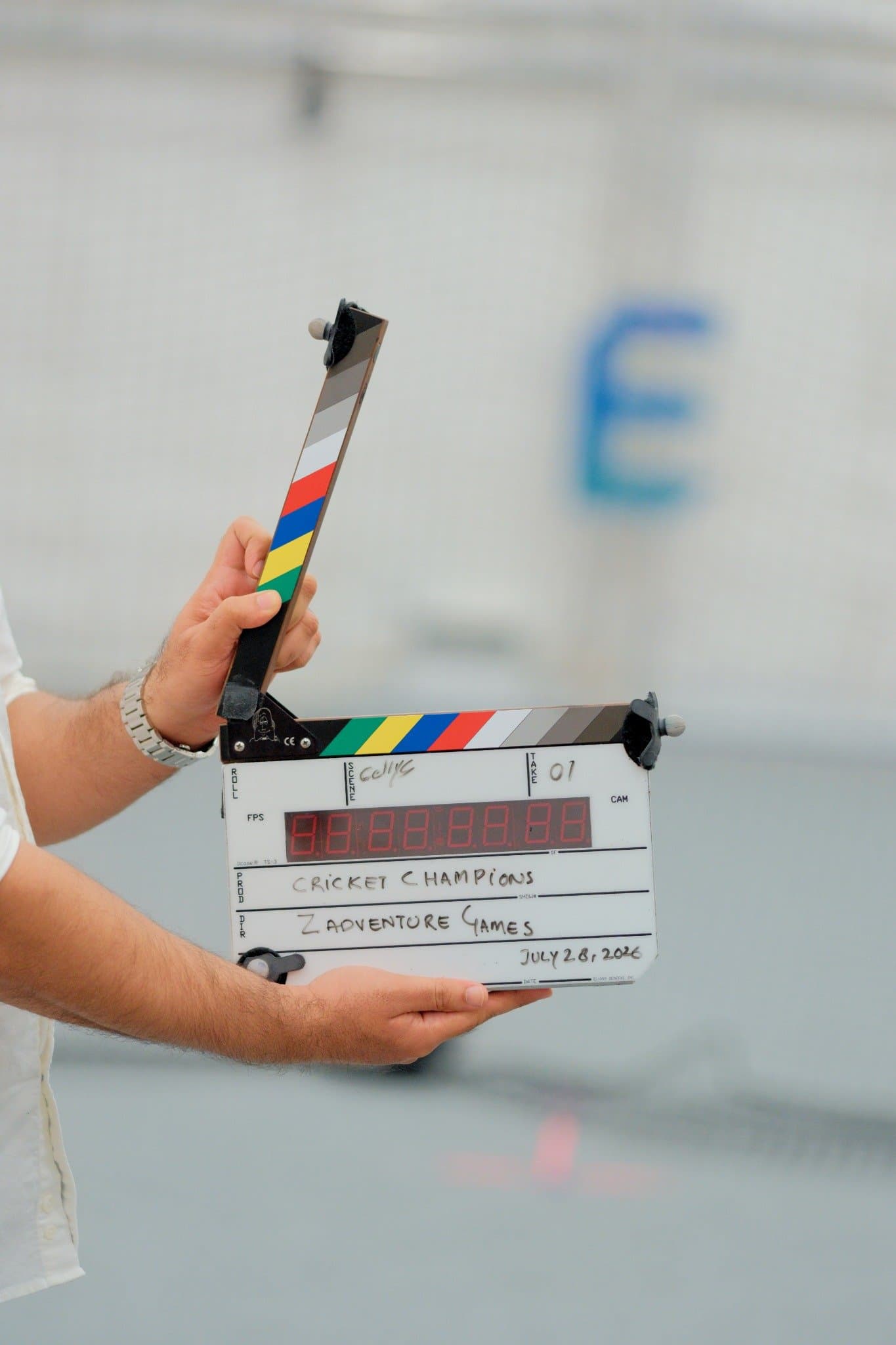
A huge thank you to Beyond Capture Studios, Sam Noster and his team for working with us on the session and helping us take another step forward in the development of Cricket Champions.
And a special thank you to Mohammad Marri, part of the Zadventure family, for being there with us and documenting the day through the photographs you see throughout this article.
This is one part of a much bigger journey.
And we're looking forward to showing you what happens when these performances make their way from the capture floor into Cricket Champions.